Did you know?
Your Body Can't Handle Cold Plunges? Soma Wave vs the Wim Hof Method
A comparison of the Soma Wave Acupressure Practices and the Wim Hof Method

Kristophe
Understanding Two Different Approaches to Nervous System Regulation
The Wim Hof Method and Soma Wave's guided acupressure practices represent two distinctly different approaches to optimizing physical and mental health, each working through fundamentally different physiological pathways. While cold plunges have gained significant popularity, they're not the right solution for everyone. Understanding how these methods work—and which might be better suited for your nervous system—is crucial for making an informed choice about your wellness practice.
The Wim Hof Method: Deliberate Sympathetic Activation
The Wim Hof Method combines three elements: breathing exercises (hyperventilation), cold exposure, and meditation. The science shows that this approach deliberately activates the sympathetic nervous system—the body's "fight or flight" mode—creating a controlled, intense stressor.
How Cold Exposure Activates Stress Response:
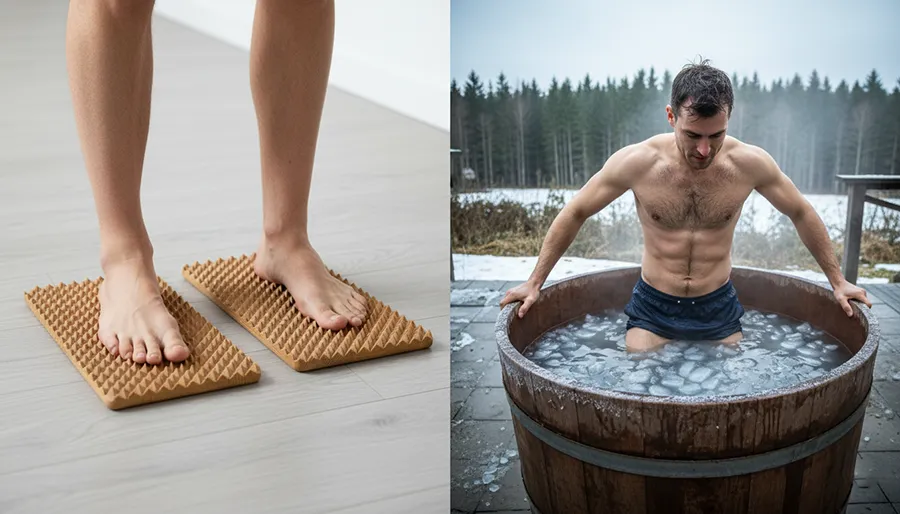
When you immerse yourself in cold water, your body responds with a powerful stress reaction. The Radboud University studies demonstrated that Wim Hof practitioners can voluntarily influence the sympathetic nervous system and immune response through deliberate cold exposure. Cold-water immersion triggers significant increases in noradrenaline (norepinephrine), an excitatory neurotransmitter that mobilizes the body. This initial phase involves:
Rapid increase in heart rate (sympathetic activation)
Elevated blood pressure
Increased catecholamine release (adrenaline and noradrenaline)
Activation of the hypothalamic-pituitary-adrenal (HPA) axis
Release of endorphins to counteract the cold stress
The famous "Iceman" himself demonstrated enhanced activation of the periaqueductal gray (PAG) area of the brain—the brain's pain suppression and stress-response center—during cold exposure, suggesting he develops exceptional voluntary control over what most people consider involuntary responses.
The Hormetic Benefit: Stress Adaptation Through Challenge:
The Wim Hof Method leverages hormesis theory—the principle that exposure to mild-to-moderate stressors triggers adaptive responses that improve health. By repeatedly exposing the body to the stress of cold, practitioners develop greater physiological and psychological resilience. Research shows that regular cold exposure training may reduce pain perception, improve stress management capacity, and enhance immune response to inflammatory challenges.
Soma Wave: Gentle Parasympathetic Activation Without the Shock
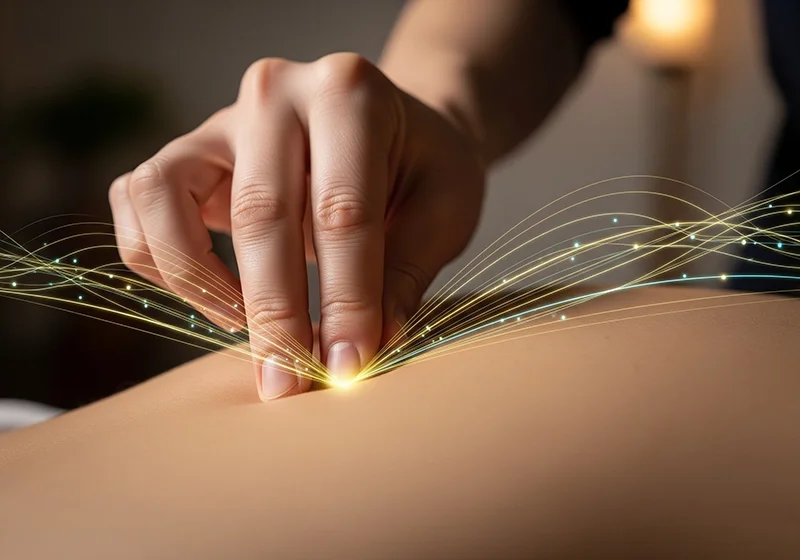
Soma Wave's acupressure practices take the opposite approach. Rather than deliberately activating sympathetic stress responses, the practices work to activate and strengthen parasympathetic nervous system function—the body's "rest and digest" mode—through gentle, sustained mechanical stimulation combined with breathing and relaxation techniques.
How Acupressure Activates the Relaxation Response:
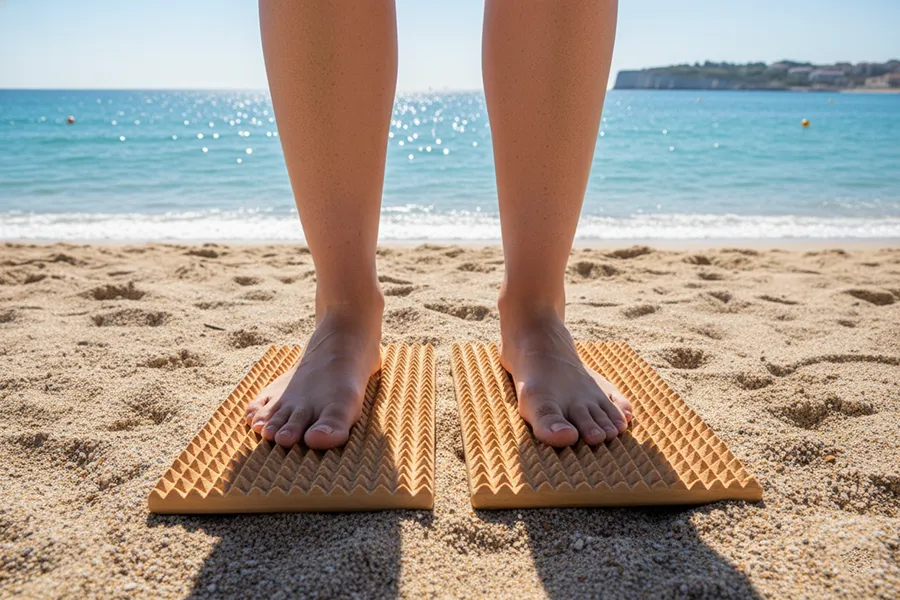
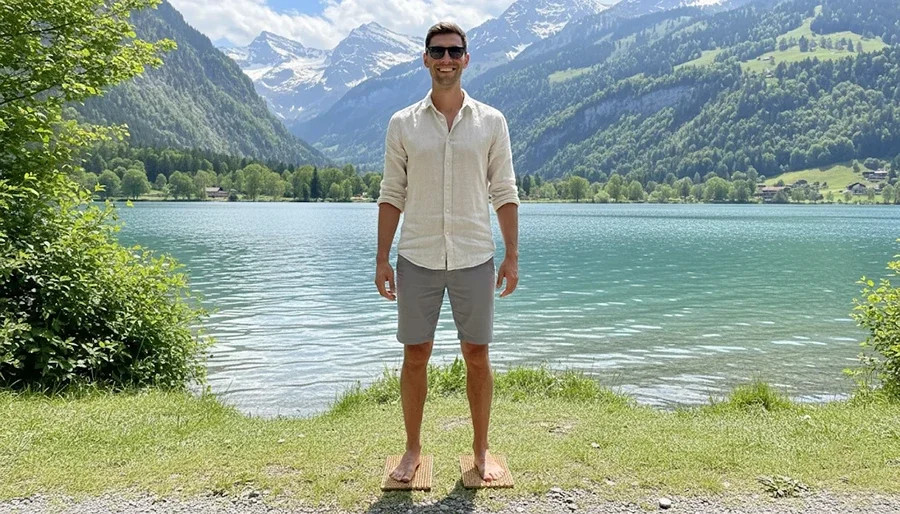
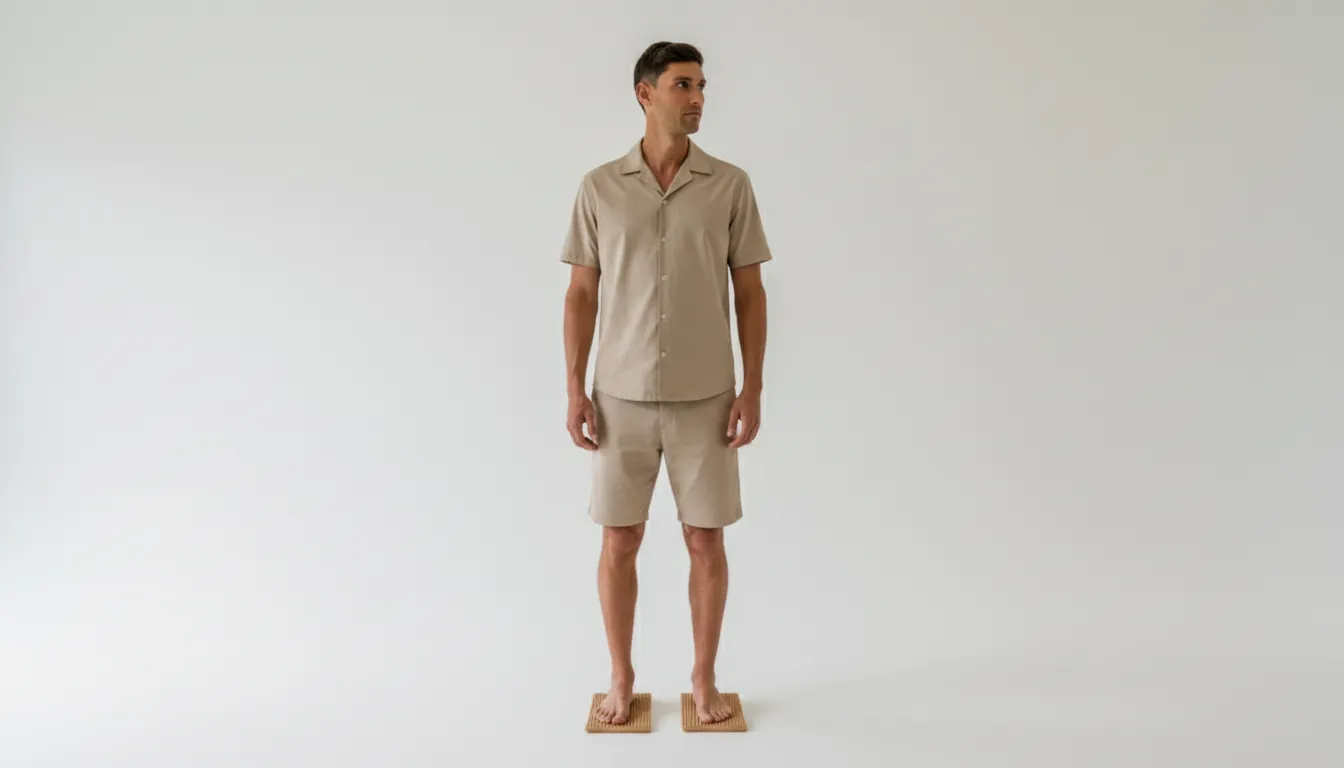
When you place your hands and feet on Soma Wave's acupressure boards, the pyramid-shaped spikes create distributed pressure that activates mechanoreceptors and pressure-sensitive nerve endings. Unlike the shock of cold exposure, this is a sustained, predictable, comfortable stimulus. The mechanism works through:
Continuous activation of pressure receptors (A-beta fibers), which travel faster to the brain than pain signals
Gate Control Theory: The pressure sensation effectively "closes the gate" to stress perception, preventing excessive sympathetic activation
Direct vagal nerve stimulation through peripheral sensory pathways
Gradual release of endogenous opioids (beta-endorphins), serotonin, and GABA—neurotransmitters that promote calmness
Increased heart rate variability (HRV), indicating parasympathetic dominance
When combined with diaphragmatic breathing, progressive muscle relaxation, and EFT tapping, Soma Wave practices create what researchers call "eustress"—beneficial stress that challenges the nervous system without overwhelming it. The body is never shocked or jolted; instead, it's gently guided into deeper relaxation through a coherent sequence of complementary techniques.
Heat Shock Proteins: The Common Thread
Interestingly, both methods may trigger the expression of heat shock proteins (HSPs), particularly HSP70, though through very different mechanisms.
Cold Exposure and HSPs:
Cold stress is a powerful trigger for heat shock protein expression. Research shows that heat shock genes, particularly HSP-70, are significantly upregulated during the recovery phase following cold exposure. This is part of the body's cellular repair mechanism—HSPs act as molecular chaperones that repair damaged proteins and protect cells from further injury. For someone with a healthy, robust nervous system, this cellular repair cascade is highly beneficial, contributing to greater cellular resilience and longevity.
Acupressure and Mechanical Pressure Stress:
More subtle research shows that even mild mechanical pressure stimulation can trigger HSP70 expression, though to a lesser degree than temperature extremes. Studies on chondrocytes (cartilage cells) exposed to static hydrostatic pressure demonstrated increased HSP70 levels without requiring the intense stress response triggered by extreme temperatures. This suggests that acupressure's mechanical stimulation creates a more moderate, tolerable hormetic response—activating cellular repair mechanisms without the dramatic sympathetic nervous system activation of cold exposure.
The Critical Difference: Activation vs. Suppression
The fundamental physiological difference between these methods becomes clear when examining autonomic nervous system responses:
Aspect | Wim Hof Method | Soma Wave Practices |
|---|---|---|
Primary Nervous System Activated | Sympathetic (fight-or-flight) | Parasympathetic (rest-and-digest) |
Initial Response | Acute stress, rapid heart rate increase, then slow decrease | Gradual relaxation, heart rate decrease |
Neurotransmitter Profile | Noradrenaline surge, endorphins | Serotonin, GABA, beta-endorphins |
Heart Rate Variability | Initially decreases during cold shock, then increases with training | Increases during practice |
Cortisol Response | Initial spike followed by adaptation | Quick decrease from baseline |
Recovery Method | Requires training to recover autonomic balance after stress | Built-in recovery through integrated relaxation techniques |
Intensity Level | Extreme stress (intentional) | Moderate stress (controlled) |
HSP Activation | Strong (through temperature stress) | Moderate (through mechanical pressure) |
Best For | Those seeking stress resilience through challenge | Those seeking nervous system regulation who cannot do cold plunges |
Who Should Use Cold Plunges vs. Acupressure Practices?
The Wim Hof Method May Be Better For:
Individuals with a healthy, well-regulated nervous system seeking to build stress resilience
People training for extreme conditions or seeking psychological challenges
Those interested in building sympathetic tone and adrenaline tolerance
Athletes and high-performers seeking acute stress adaptation
People who have a resilient body
The Method May Be Less Suitable For:
People with anxiety disorders or hyperactive sympathetic nervous systems
Those with uncontrolled hypertension or cardiac conditions
People who experience cold feet and hands regularly
Individuals with trauma histories or nervous system dysregulation
People experiencing burnout or chronic stress
Anyone with cold intolerance
Soma Wave Practices May Be Better For:
People with elevated baseline stress or anxiety
Those with dysregulated nervous systems (too much sympathetic tone)
Individuals seeking consistent, reliable relaxation and stress reduction
People with sleep disorders or difficulty managing daily stress
Those recovering from trauma or experiencing hypervigilance
Anyone seeking daily, sustainable wellness practice
Individuals who find cold exposure uncomfortable or triggering
The Gentle Approach Advantage:
The beauty of Soma Wave's approach is that it provides consistent, predictable parasympathetic activation without the shock of extreme cold. Research on cold exposure shows that while the immediate post-exposure phase includes both sympathetic and parasympathetic activation, the sustained stress of cold immersion requires significant training to manage safely. In contrast, Soma Wave practices are designed to be immediately accessible and safe for nearly everyone, regardless of fitness level or nervous system baseline.
The Hormesis Equation: Finding Your "Sweet Spot"
The concept of hormesis helps explain why one person's ideal stress stimulus is another's overwhelming challenge. Hormesis theory suggests that the optimal dose of stress for adaptation is the one that challenges your system without overwhelming it. This "sweet spot" varies dramatically between individuals:
Someone with a highly reactive sympathetic nervous system may find cold plunges to be harmful distress rather than beneficial eustress
The same person might find acupressure practices perfectly calibrated to their nervous system's needs
An elite athlete or trauma survivor actively working on building resilience might benefit from the graduated challenge of the Wim Hof Method
A busy parent managing multiple stressors might find that 10 minutes of Soma Wave practice is the ideal hormetic dose
Conclusion
Complementary Rather Than Competitive
Rather than viewing these methods as competing options, it's more useful to consider them as addressing different needs:
Cold exposure is best for those seeking to deliberately build stress resilience through intense hormetic stimulation
Acupressure practices are ideal for those seeking to regulate an over-activated nervous system and access daily relaxation
For someone whose nervous system can't tolerate cold plunges—whether due to anxiety, cardiac sensitivity, or dysregulation—Soma Wave's acupressure practices offer a scientifically-grounded, immediately accessible pathway to improved autonomic balance, stress reduction, and enhanced well-being. The practices create a gentle hormetic response that strengthens neural pathways without requiring the extreme challenge of ice water.
The future of optimal health may not be finding the most intense stressor, but rather finding the right stimulus for your individual nervous system—one that challenges you to adapt without overwhelming your capacity to recover.
Sources:
Discover The Science Behind The Wim Hof Method
Date: 2025-10-28
Official Wim Hof Method science page
Short-Term Head-Out Whole-Body Cold-Water Immersion
Date: 2023-01-28
PubMed Central research
Cold stress upregulates the expression of heat shock proteins
https://www.biorxiv.org/content/10.1101/2022.03.07.483305v1.full.pdf
Date: Pre-print
BioRxiv study on HSP expression
'Brain over body' - A study on the willful regulation of autonomic function during cold exposure
Date: 2018-05-14
PubMed research on autonomic control
Up-regulation of heat shock proteins is essential for cold tolerance
Date: 2007-07-02
PNAS (Proceedings of the National Academy of Sciences)
A randomized controlled clinical trial of a Wim Hof Method intervention
https://www.sciencedirect.com/science/article/pii/S2666497624000481
Date: 2024
ScienceDirect clinical trial
Jumping into the Ice Bath Trend! Mental Health Benefits of Cold Water Immersion
Date: 2024-05-21
Stanford Lifestyle Medicine
Less Can Be More: The Hormesis Theory of Stress Adaptation
Date: 2021-03-12
PubMed Central review on hormesis
The effectiveness of the Wim Hof method on cardiac function
Date: 2023-10-15
Nature Scientific Reports
Changes of cerebral functional connectivity induced by foot reflexology
Date: 2023-10-09
Nature Scientific Reports on acupressure
Evaluation of Autonomic Nervous System Function Using Heart Rate Variability During Acupuncture
Date: 2018-03-31
PubMed Central
Heart rate variability during auricular acupressure at the left sympathetic point
https://www.frontiersin.org/journals/neuroscience/articles/10.3389/fnins.2023.1116154/full
Date: 2023-06-01
Frontiers in Neuroscience
Managing anxiety with Emotional Freedom Technique (EFT)
Date: 2024-06-12
Counselling Directory
Hormesis and Longevity: The Benefits of Mild Stress on Healthspan
Hormetic Stress: Benefits of Eustress vs. Distress
Date: 2023-12-19
Plunge.com
Blood pressure and heat shock protein expression during cold stress
Date: 1995-04-05
PubMed
Articles
Discover our other articles
Explore our articles to know the best behavior about alimentation and well-being.